The power of a hybrid flight training model
Flight simulators allow pilots to train more efficiently, which is particularly important in today’s supply-constrained environment. Hybrid models that combine both a scenario-based and instructor-led

Flight simulators allow pilots to train more efficiently, which is particularly important in today’s supply-constrained environment. Hybrid models that combine both a scenario-based and instructor-led approach take this effectiveness one step further.
Traditional flight simulator training
Programmes have historically been led by instructors who provide the structure and guidance trainees need to build core flying skills. As simulation technology becomes more advanced, pilots now have greater opportunities to apply those learnings in realistic simulated scenarios, such as adverse weather or system failures, reducing pressure on lean teams of trainers.
Blending scenario-based and instructor-led methods in this way not only increases output but can produce highly skilled pilots who are technically capable, confident, adaptable and operationally ready.
What is instructor-led training?
Instructor-led training is a structured educational approach, delivered through a combination of classroom and flight simulator sessions, where students are guided by an instructor. This method allows trainees to learn and practice manoeuvres, take offs, landings and emergency procedures at their own pace, while receiving direct feedback and support throughout the session.
This model is particularly important in the early stages of pilot development, where students are developing the fundamental flying skills. It gives instructors the opportunity to talk trainees through each action and the reasoning behind it.
By working closely with an instructor, trainees can adopt good habits from the outset, understand the reasoning behind each action, repeat manoeuvres with guidance and receive immediate correction before moving into more complex, scenario-based procedures.
The Civil Aviation Authority’s (CAA) guidance states that the ratio of students to flight instructors in an Approved Training Organisation (ATO) should not exceed 6:1, highlighting the level of instructor involvement required in instructor-led training.
What is scenario-based training?
Scenario-based training is more active and experimental. Simulator based, it uses a highly structured script of real-world events, which are then replicated in a simulator environment.
With fundamental knowledge in place, trainees are challenged to apply their skills in highly realistic flight situations, often involving unexpected scenarios or time-sensitive decisions. This allows instructors to evaluate the trainee’s flying skills, risk management, decision-making and ability to stay calm under pressure, in a safe, simulated setting.
The role of VR in flight training
Scenario-based training can also be delivered remotely through flexible virtual environments, such as AXIS Flight Simulation’s Virtual Procedure Trainer (VPT). This VR-based solution enables trainees to practice procedures outside a dedicated training centre, increasing training frequency while reducing reliance on Full Flight Simulators (FFS) and instructor-led sessions.
This capability is particularly beneficial for pilots required to travel significant distances to access training facilities, as it improves accessibility and helps reduce the overall cost of pilot training.
The role of evidence-based training (EBT)
EBT favours a hybrid training model that combines traditional instructor-led learning with realistic scenario-based training, while shifting the focus away from assessing pilots solely on discrete manoeuvres and technical exercises.
Instead, it evaluates performance across a broader range of competencies, including communication, workload management and decision-making. By blending structured guidance with realistic operational scenarios, EBT enables trainees to build core skills before demonstrating how effectively they can apply them in practice.
The role of technology in flight training
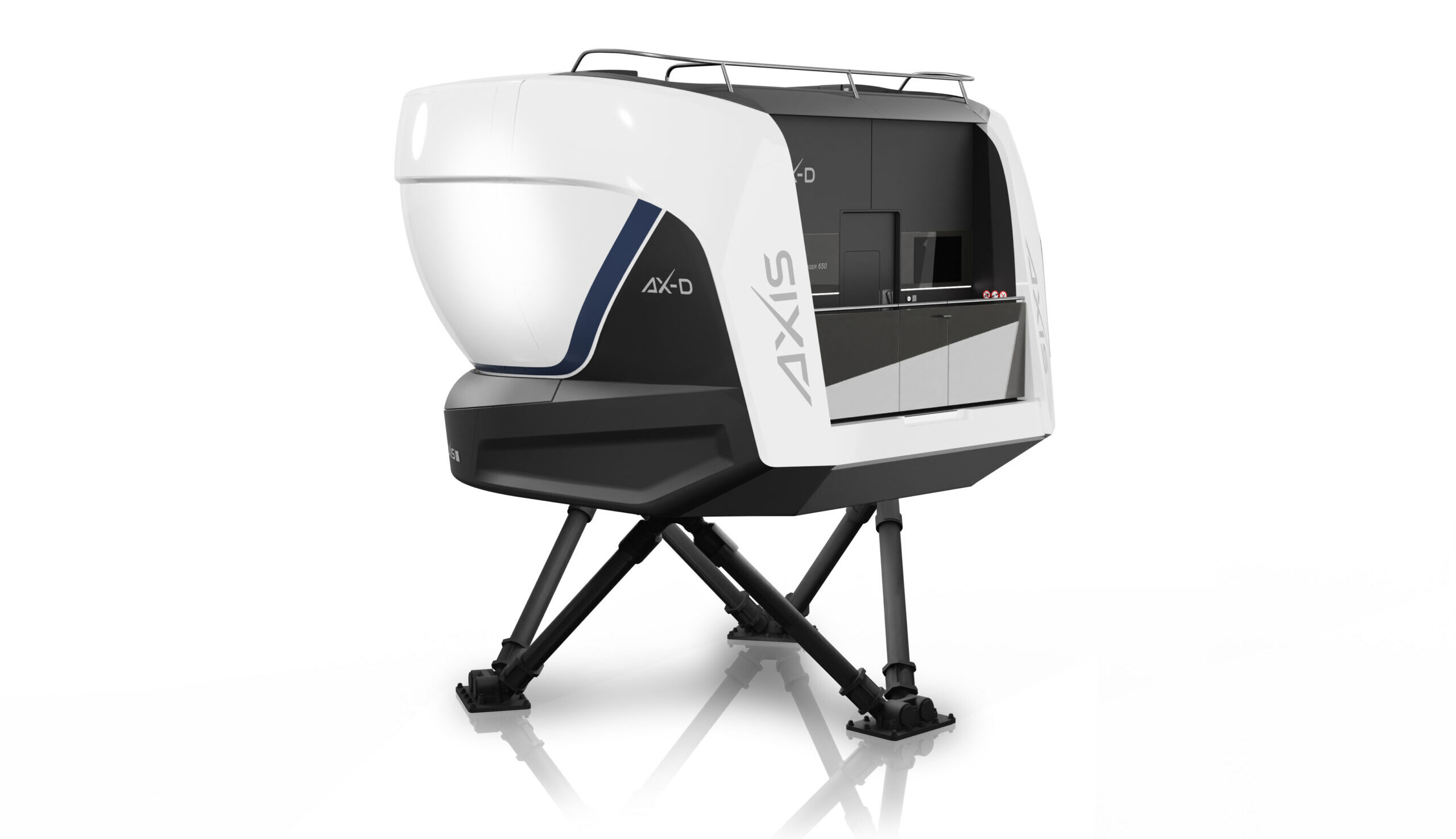
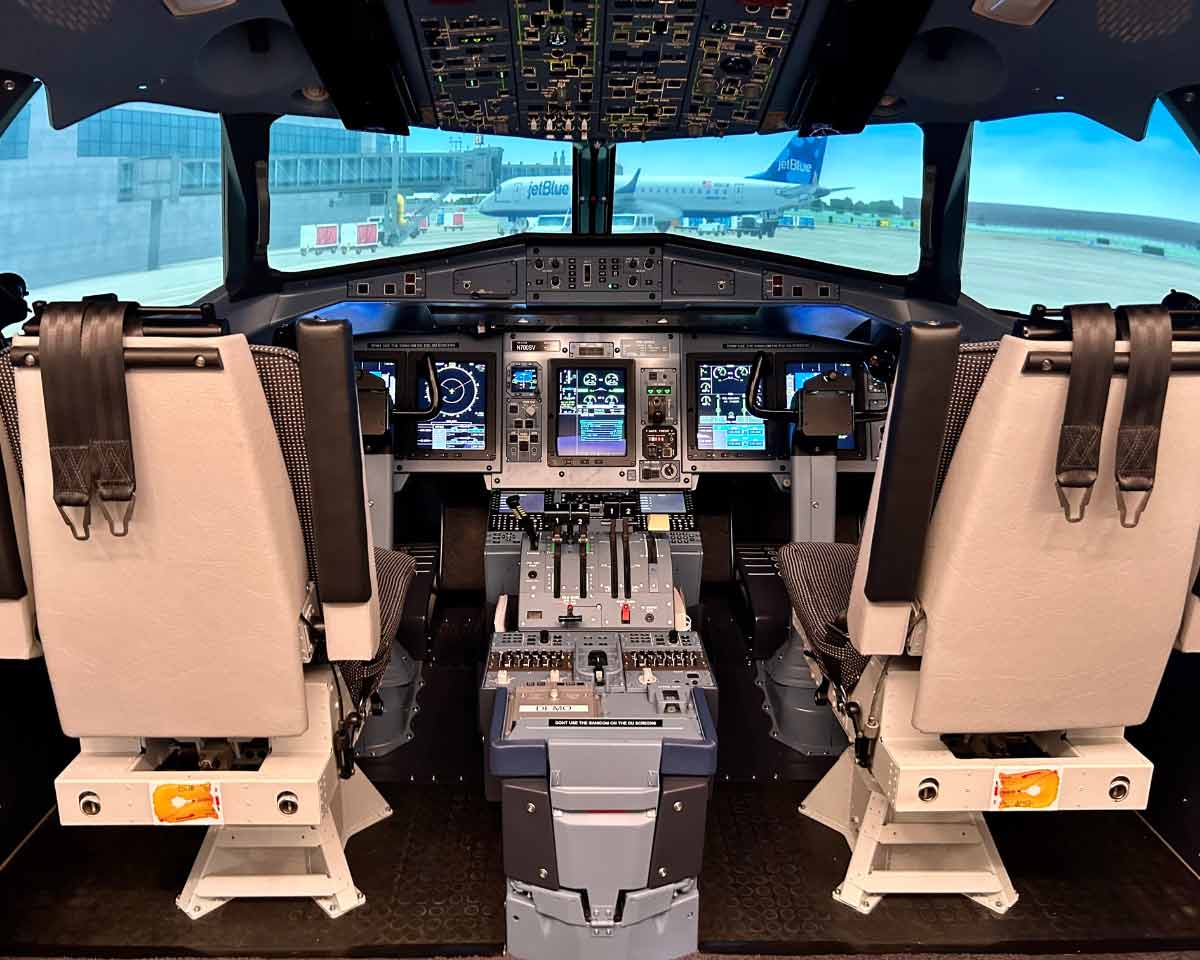
Flight simulator technology helps bridge the gap between learning and application by providing structured, repeatable environments in which trainees can safely practice both routine and emergency procedures.
Unlike inflight training, simulators allow scenarios to be paused, repeated or adapted in response to a trainee’s performance, giving instructors greater visibility into skill development and progression. The integration of data capture and AI-powered debriefing tools further enhances this process by providing objective evidence to support feedback and assessment.
With AXIS Flight Simulation’s AI Debriefing Station, aircraft parameters and manoeuvres are monitored automatically, allowing instructors to spend less time reviewing technical data and more time evaluating behaviour, decision-making, workload management and responses under pressure.
This is where technology helps bring instructor-led and scenario-based training together. The simulator creates a realistic operational environment, AI-driven analytics provide objective performance insights, and instructors use that information to deliver more targeted and meaningful feedback. Together, these elements support a more effective and evidence-based approach to pilot training.
Combined approach
The most effective training approach is not instructor-led or scenario-based training in isolation, but a combination of both, tailored to the needs and stage of development of each trainee.
Simulators provide a safe and flexible environment where trainees can build confidence, refine technical skills and apply them in realistic operational situations. At the same time, instructors can guide development using both professional judgement and measurable performance data, helping to deliver training that is more targeted, consistent and effective.
More articles:
August 13, 2025 – 2 min read
AXIS Flight Simulation showcases simulator redesign

March 25, 2024 – 5 min read
Introducing 47º: AXIS Flight Simulation distills innovation beyond training solutions
June 27, 2024 – 2 min read