November 26, 2026
Why the cheapest flight simulator can become the most expensive
It can be tempting to opt for the simulator with the lowest cost when it comes to investing in a flight training device. However, a simulator is a long-term asset, and what appears to be the...
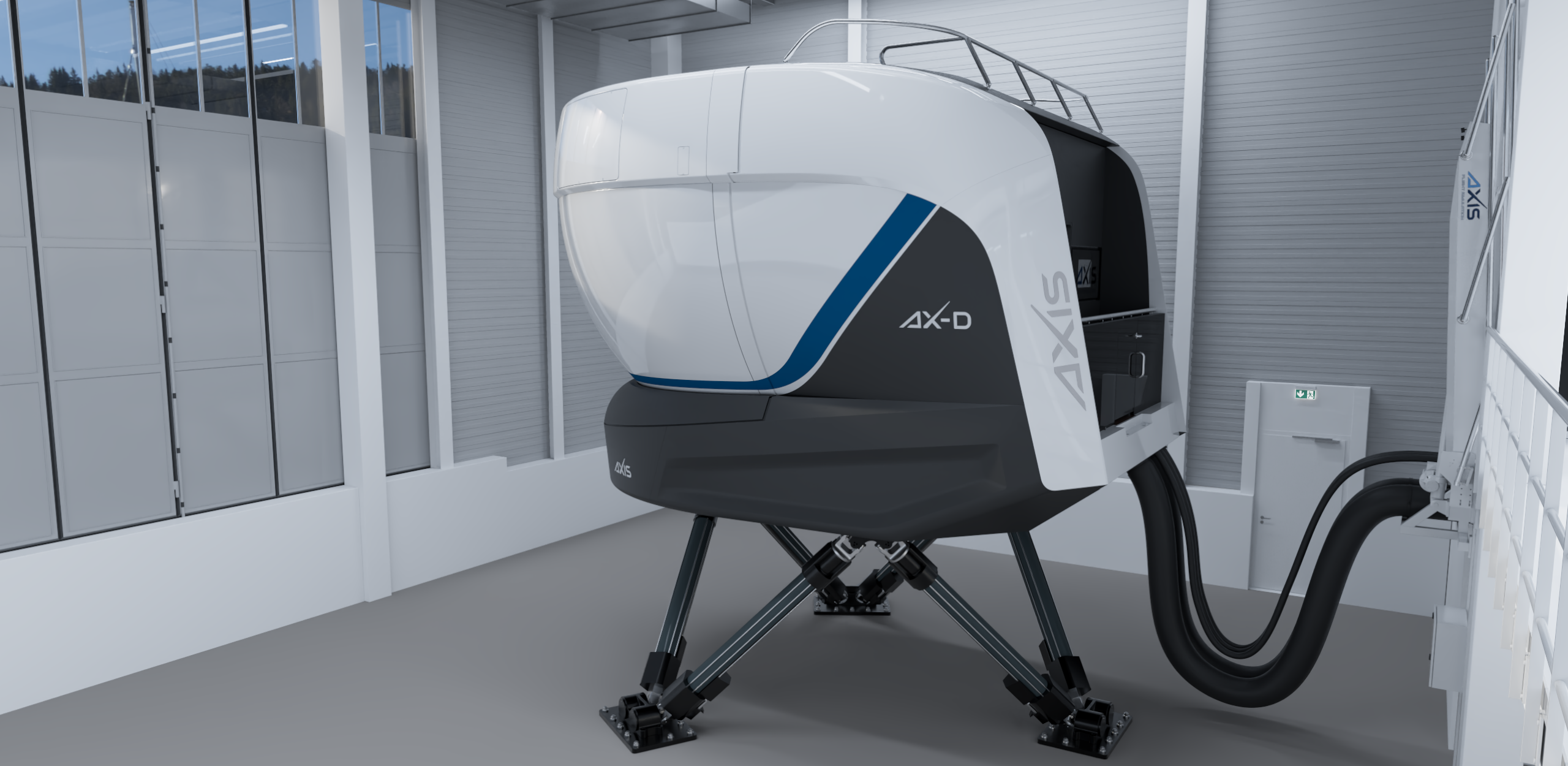
It can be tempting to opt for the simulator with the lowest cost when it comes to investing in a flight training device. However, a simulator is a long-term asset, and what appears to be the cheapest option at first can become considerably more expensive over its lifetime.
Understanding the true cost of a training device means looking beyond the initial price point and considering how the system will perform throughout its years in service.
Looking beyond the upfront price
A simulator’s upfront cost reflects its qualification level and the complexity of its technology. However, once a simulator begins operations, reliability and ongoing technical support begin to influence its total ownership cost and the real price you pay.
A lower-cost simulator that is frequently unavailable due to maintenance issues or component failures can quickly become costly. The same applies if replacement parts are difficult to source or significant engineering work is needed to accommodate software upgrades.
To minimise simulator downtime, investing in a high-quality simulator that comes with ongoing support from the manufacturer is particularly important, and something to consider alongside the purchase cost of your training device. Reliable access to technical assistance and replacement parts can reduce disruption, while regular software support helps maintain simulator availability throughout its operational life.
At AXIS Flight Simulation, every customer has a dedicated support team available 24/7/365, with remote and on-site assistance helping to resolve issues quickly and keep training on schedule.
What to consider when choosing a simulator
When investing in a simulator, the price needs to be considered against what the device is required to deliver. A lower-cost device may make sense where the training requirement is focused on procedural training or system familiarisation.
Choosing a device that cannot support future training requirements could mean investing in a more suitable simulator sooner than expected. Clearly defining operational and training needs before purchase is therefore crucial to choosing the right device from the outset.
Other considerations include:
- Ability to upgrade – can the device accommodate software updates to ensure changes to aircraft configuration or avionics are accurately replicated?
- Training capacity – will the device continue to meet demand as your operation or pilot numbers grow?
- Flexibility – can the simulator be adapted to support different aircraft or evolving training requirements?
How flexibility can reduce costs
For operators supporting several aircraft types, flexibility can change purchasing decisions. AXIS Flight Simulation’s AX-D Flex, for example, allows up to three interchangeable cockpits to use a single simulator platform.
By sharing motion and visual systems across different aircraft configurations, operators can expand their training capability without necessarily investing in a separate simulator for every type, potentially reducing the costs associated with operating multiple standalone devices.
Investing for the long-term
Simulator investments can shape an organisation’s training capability for well over a decade, so purchase decisions need to account for how the device will be supported and whether it can continue meeting operational requirements as they evolve.
At AXIS Flight Simulation, this means considering total cost of ownership from the outset and developing training devices with long-term reliability in mind, alongside the flexibility to respond to changing customer requirements.
To speak with our team about identifying the right device for your training needs, visit https://www.axis-simulation.com/contact-us/
More articles:
December 20, 2024 – 2 min read
Insights from EATS: The power of trade shows
February 5, 2025 – 2 min read
AXIS Flight Simulation’s flight training outlook for 2025
September 1, 2025