25. August 2026
How to achieve Level D simulator qualification
“Level D” is the highest qualification standard for full flight simulators (FFS).
What is a Level D simulator?
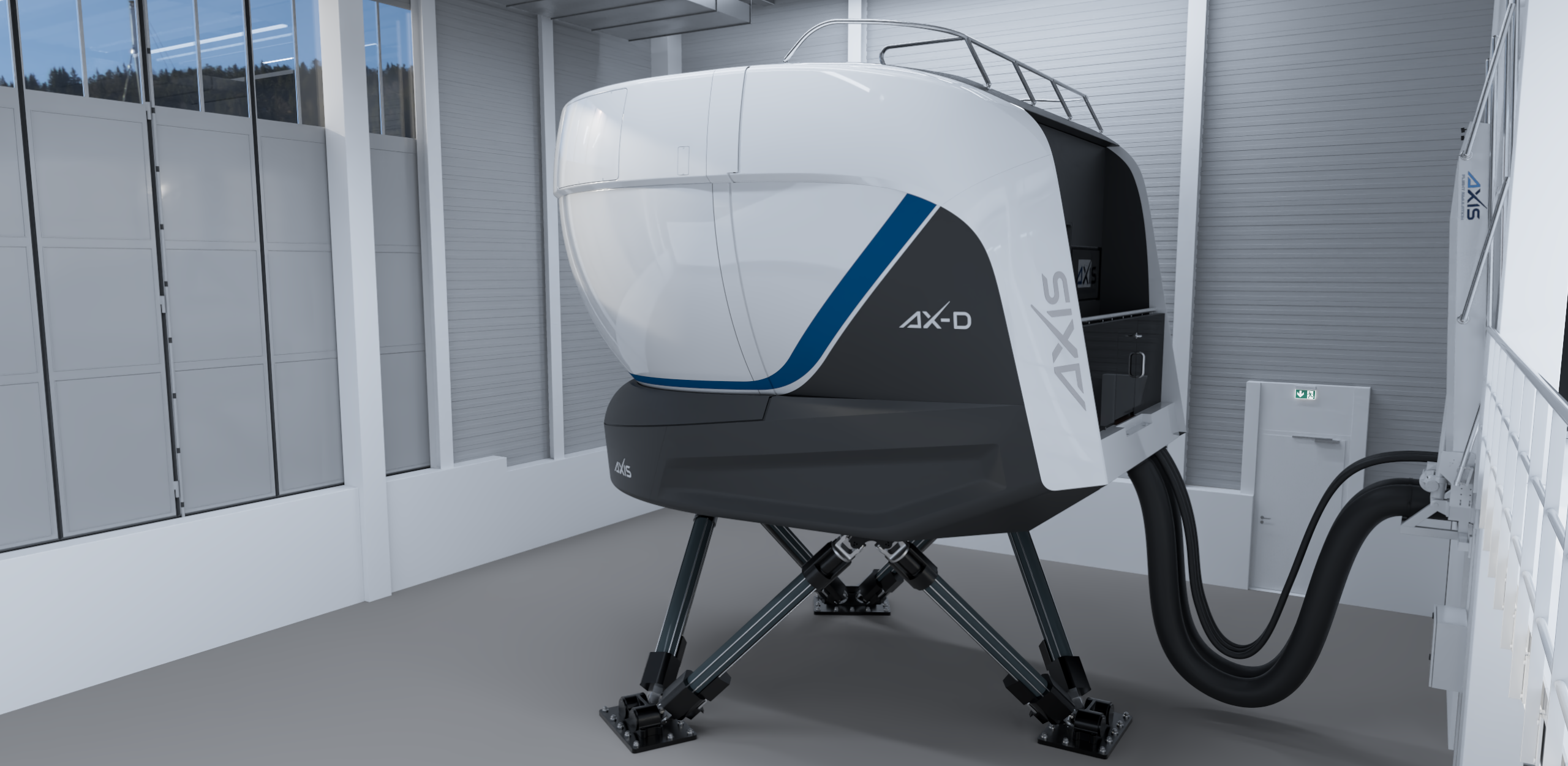
“Level D” is the highest qualification standard for full flight simulators (FFS). These devices offer the closest possible experience to flying a real aircraft, delivering the highest level of fidelity available for simulator training. They allow operators to practice across the full spectrum of tasks in a device that accurately reflects an aircraft’s behaviour, systems and operating environment.
High-end simulators model the complete avionics suite and logic of hydraulic, electrical, pneumatic and fuel systems. They also reproduce hundreds of failures and abnormal conditions, allowing crews to train for events that would be difficult or unsafe to do in flight.
How do operators meet Level D requirements?
Qualification is based on objective evidence that demonstrates the simulator’s fidelity to a real aircraft. Aviation authorities, such as EASA in Europe and the FAA in the US, set detailed requirements covering areas including flight dynamics and handling qualities, flight controls, motion, visual systems and control forces.
Meeting this framework relies on accurate reference data from the real aircraft, much of it captured through dedicated flight test campaigns. Manufacturers use these insights to model and validate how the simulator behaves across defined manoeuvres and operating conditions.
During qualification, the simulator undergoes a detailed technical evaluation, combining objective testing against reference aircraft data with subjective assessments of its handling, systems and overall fidelity. For example, evaluators may assess whether the simulator’s motion and visual cues accurately reflect the aircraft’s response.
These rigorous assessments establish whether the device meets the desired performance and fidelity standards. Successful completion allows the relevant aviation authority to award Level D qualification.
Maintaining quality throughout development
Accurate flight test data plays an important role in achieving high fidelity. Small discrepancies in characteristics such as control response or aircraft handling can affect the realism of the training experience. Reliable insights and careful validation are essential throughout simulator development.
Quality standards also extend across the wider manufacturing process. AXIS Flight Simulation works in accordance with ISO 9001:2015, supporting a controlled and documented approach to simulator design, manufacturing and testing.
EASA’s new approach to simulator qualification
EASA’s new regulatory framework for Flight Simulation Training Devices (FSTDs) represents an important change in the way simulator performance is assessed. Instead of applying one qualification level to an entire device, the new approach evaluates individual simulator features according to the fidelity required for a particular training task.
For operators, this creates greater flexibility and more scope to adopt new technologies where they can enhance specific training capabilities. Simulator features can be aligned more closely with individual training requirements, while allowing innovations in areas such as visual systems, motion and flight modelling.
However, more choice also creates new demands. Where higher fidelity is required for a feature such as aircraft handling, flight controls or visual representation, operators will need to demonstrate that capability with robust validation evidence. Access to comprehensive, accurate aircraft data could likely become even more important.
Engineering for the highest levels of fidelity
At AXIS Flight Simulation, achieving the highest levels of fidelity means prioritising technical accuracy and reliability at every stage of simulator development. From detailed engineering and systems modelling to validation against real aircraft data, each element contributes to creating a simulator that behaves as closely as possible to the aircraft it represents.
Access to high-quality aircraft data is an important part of this process, which is why AXIS Flight Simulation works closely with specialist flight test data partner AEROSET Technology. Its expertise in gathering and preparing the relevant insights gives our simulator engineers the evidence needed to model and validate aircraft behaviour accurately, supporting the demanding qualification process.
As regulatory frameworks evolve, achieving Level D will continue to demand exacting standards throughout simulator development. AXIS Flight Simulation’s fleet of Level D FFS reflects this commitment, giving operators confidence in highly realistic training across even the most demanding scenarios.
Weitere Artikel:
31. Oktober 2024 – 2 min read
AXIS launches VR solution for business jet pilot training
30. Januar 2024 – 2 min read
The Evolution of Flight Simulation

20. März 2025 – 2 min read