How to measure flight simulator fidelity
Flight simulators are designed to replicate the experience of flying an aircraft as accurately as possible. Achieving this standard of fidelity is essential for effective pilot...
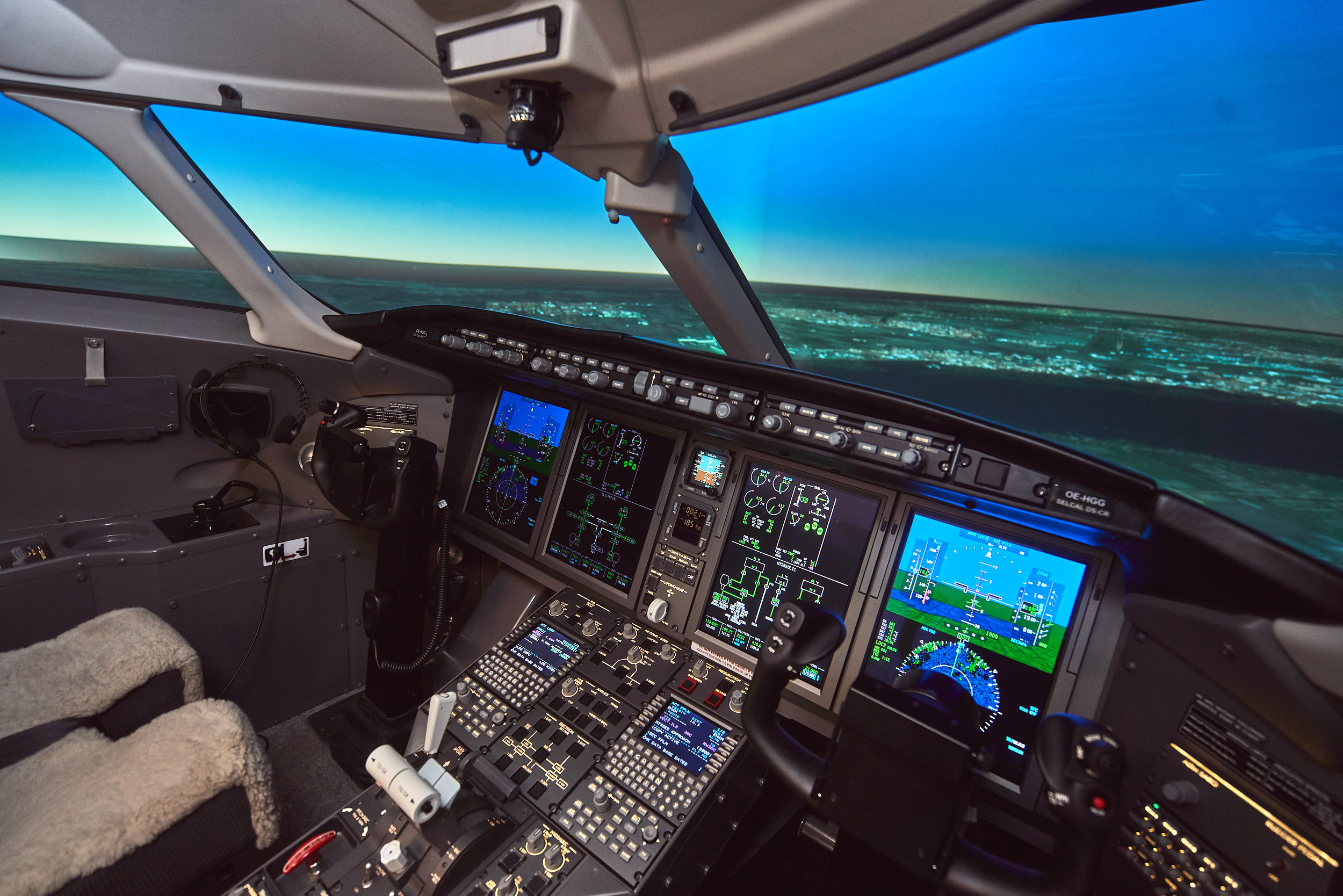
Flight simulators are designed to replicate the experience of flying an aircraft as accurately as possible. Achieving this standard of fidelity is essential for effective pilot training while contributing to safer, real-world operations.
Why is flight simulator fidelity important?
There is no “one size fits all” solution to flight training. Pilots must be trained and certified to operate specific aircraft models and regularly complete refresher training to stay qualified. Advanced simulators can accurately reproduce individual aircraft types, allowing pilots to train in an environment that closely mirrors the real cockpit.
Fidelity becomes even more critical when practicing dangerous situations or system failures. Pilots must be prepared to handle scenarios such as engine or technical malfunctions. These events are often too risky to practice in real aircraft, making simulators a vital tool for building the skills and confidence needed to respond effectively.
Simulators also allow pilots to train using automated systems and instruments, as well as repeatedly practice crucial phases of flight including take-off and landing.
How to qualify flight simulator fidelity
Level D simulators are the most advanced type of flight training system available. Achieving qualification from aviation regulators, these devices provide such a strong level of realism that pilots can complete most of their training and certification without flying a real aircraft.
These devices replicate the aircraft’s full avionics suite, including systems such as the Flight Management System (FMS), autopilot and cockpit display systems (EFIS, ECAM or EICAS). They also model how major aircraft systems operate and interact, including hydraulic, electrical, pneumatic and fuel systems. The result is a training environment where the aircraft behaves as it would in real life.
How to measure flight simulator fidelity
Flight simulator fidelity can be measured across several different technical areas. Each category evaluates how closely the simulator replicates the systems and experience of a real aircraft.
- Flight model and aerodynamic fidelity refer to how accurately the simulator reproduces the aircraft’s aerodynamic behaviour and performance. The simulator must precisely respond to pilot inputs and environmental conditions in all phases of flight, including climb and descent performance, acceleration, control responses and stall behaviour.
- Control loading fidelity describes how the simulator’s controls feel to the pilot. It’s defined by the relationship between the amount of force applied and how far controls move. For example, when a pilot pushes or pulls the control stick, presses the rudder pedals or adjusts the thrust levers, the resistance and movement must closely match real aircraft response.
- Visual system fidelity evaluates how accurately the simulator reproduces the outside visual environment. Key factors are image resolution, field of view, update rate, brightness, contrast and colour accuracy.
- Motion system fidelity refers to how accurately the simulator reproduces the physical sensations of flight. This covers translational motion, such as forward, lateral and vertical movement, and rotational motion, such as pitch, roll and yaw. Key factors include cue accuracy, latency, washout filter and tuning and platform bandwidth.
- System fidelity measures how accurately the simulator reproduces the behaviour and interaction of an aircraft’s onboard systems. This refers to avionics, engines, hydraulic systems, electrical systems and the FMS.
- Sound and aural environment fidelity refers to how accurately the simulator reproduces the sounds pilots hear in the cockpit. These auditory cues contribute to situational awareness and help reinforce the overall sense of realism during training.
- Procedural and functional fidelity ensures pilots can operate the simulator in the same way they would a real aircraft. All cockpit controls, switches and interfaces must behave correctly to allow pilots to follow the same checklists and operational procedures used in flight.
Using data to achieve high-fidelity in flight simulation
All simulators are qualified against standards set by aviation regulators such as the FAA and EASA, with high-fidelity models exceeding these frameworks. As well as regulatory validation tests, which typically represent around 25% of available flight test data, additional data can be used to refine the model and ensure the simulator closely matches real aircraft behaviour across a much wider range of flight conditions.
Talking about how AXIS Flight Simulation delivers quality solutions to customers, our director of engineering and support, Harald Schneider, says: “We combine advanced technology, detailed aircraft data and specialised engineering expertise to deliver consistently high levels of simulator fidelity. By designing and manufacturing Level D Full Flight Simulators across multiple aircraft types, to the highest training standard, we ensure pilots learn in environments that closely replicate real aircraft operations.”
More articles:

March 25, 2024 – 5 min read
Introducing 47º: AXIS Flight Simulation distills innovation beyond training solutions
July 22, 2025 – 2 min read
ATR Level D Full Flight Simulator
December 20, 2024 – 2 min read