23. Juli 2026
How to scale a flight training operation
Growth is essential for any business and the flight training market is no exception.
Growth is essential for any business and the flight training market is no exception. In its 2025 Pilot and Technician Outlook, Boeing forecast that global commercial aviation will require about 660,000 new pilots over the next 20 years. As the industry evolves, flight training organisations globally are focusing on scaling their operations to meet growing demand for pilot training. This means ensuring facilities, equipment and technology can keep pace with increasing student numbers while maintaining high training standards.
Investing in the right mix of simulator devices and knowing when to expand, upgrade or reconfigure them, is a key part of building a scalable training operation.
Why expand your simulator fleet?
Scaling a flight training operation is most often driven by demand. Airlines around the world are expanding their aircraft fleets and recruiting more pilots. As a result, training providers must increase their simulator capacity to deliver initial type ratings, recurrent training and regulatory proficiency checks. Many operators also want access to training facilities closer to where they are based, creating additional demand for local simulator capacity.
The complexity of modern aircraft is another key consideration. New aircraft variants, avionics upgrades, special-mission configurations and evolving training syllabi often require additional or different training devices. Rather than relying solely on full-flight simulators (FFSs), many organisations are adopting a blended training approach that combines multiple simulator types to improve efficiency and make better use of training time.
This is where a flexible training ecosystem becomes important. Alongside FFS’, products such as flight training devices (FTDs), flat-panel and procedure trainers, avionics trainers and virtual reality (VR)-based systems can support different stages of pilot training, helping providers expand capacity while delivering training in the most appropriate environment.
Planning your next simulator investment
When planning an expansion, the first question should be „What training do we need to deliver?“
Operators should start by evaluating the training they expect to provide, future aircraft deliveries, forecast demand, instructor availability and current simulator utilisation before investing in new equipment. It’s also worth considering whether an existing simulator can be upgraded or reconfigured rather than replaced.
From a technical perspective, they should assess whether the existing device still accurately represents the aircraft configuration; the avionics or software can be updated; objective data is available; and any upgrade will require requalification or regulatory approval.
Equally important is ensuring that any investment aligns with regulatory requirements. Simulator upgrades and new installations must be qualified and maintained in compliance with regional standards such as FAA or EASA, making early planning essential to avoid delays and unexpected costs.
How much simulator capacity do you really need?
Determining how many simulators an organisation needs isn’t as simple as matching the number of devices to the size of the fleet. The real question is whether your training capacity can keep pace with demand, both today and as your operation grows.
A good starting point is to look at the full picture. How many pilots will require initial type ratings? How much recurrent training is scheduled each year? Will you be delivering captain upgrades, Multi-Crew Cooperation (MCC) or Airline Pilot Standards (APS)-MCC courses, revalidations, or instructor training? Each programme places different demands on simulator time, so understanding your training mix is essential before deciding whether to invest in additional capacity.
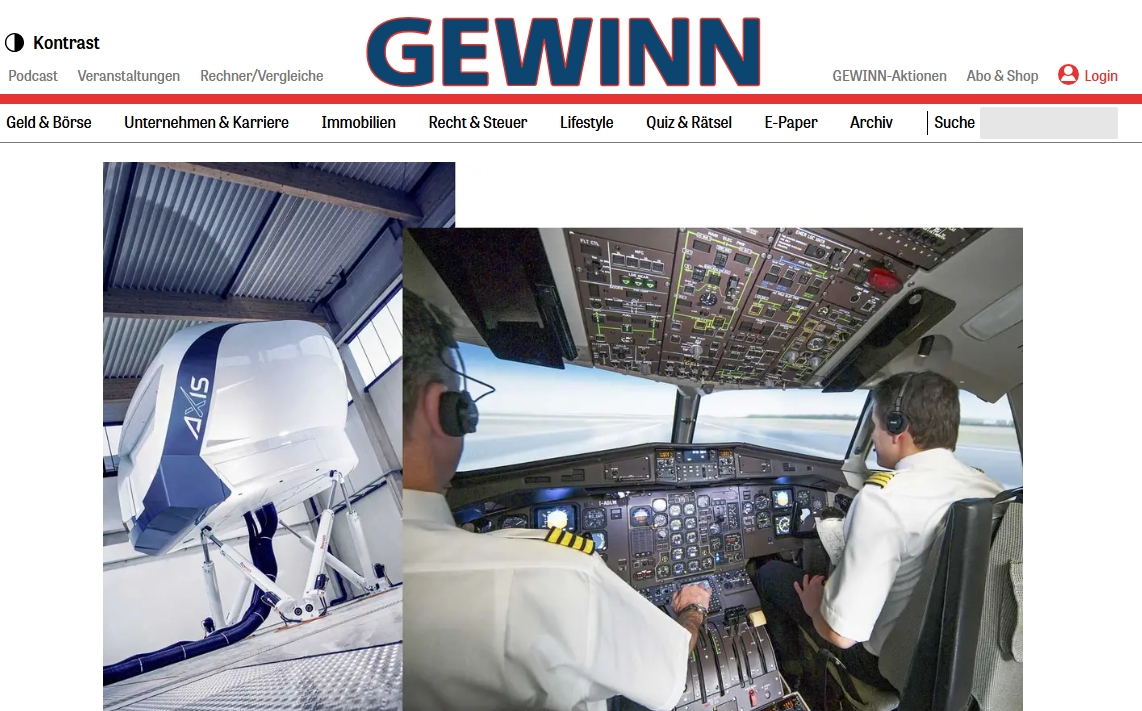
It’s also important to plan for more than average demand. A simulator that’s fully booked every day leaves little room for maintenance, unexpected disruptions or new business opportunities. Building in spare capacity creates greater operational resilience and gives organisations the flexibility to respond as training requirements evolve. For operators managing multiple aircraft types, solutions such as AXIS‘ AX-D Flex allow up to three interchangeable cockpits to be integrated into a single simulator platform, enabling providers to support multiple aircraft configurations while making more efficient use of shared motion and visual systems.
The power of gradual expansion
Many training companies add capacity in phases, investing in new devices as demand grows and their training portfolio expands.
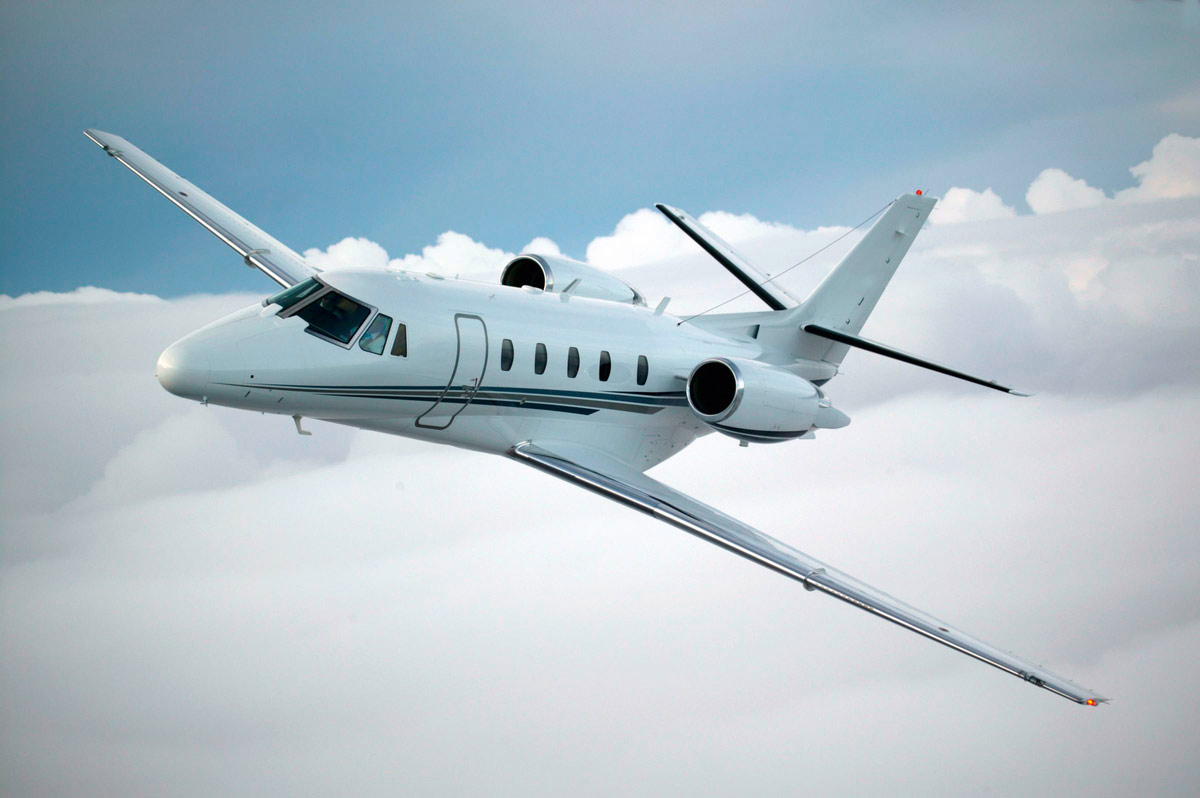
Aviation Academy Austria (AAA) is a good example of this approach. Rather than making a single large investment, the academy has steadily expanded its simulator fleet over almost two decades. Since introducing its first AXIS Level D Fokker 70/100 simulator in 2007, it has added devices for the ATR 42/72 family, Cessna Citation XLS/XLS+, Cessna CJ1+, and most recently the Bombardier Challenger 350. This modular strategy has enabled the academy to broaden its training capabilities while aligning investment with customer demand and fleet requirements.
Planning for the next decade
Because simulators are long-term infrastructure investments with lifecycles that can extend well beyond 15 years, decisions made today will shape an organisation’s training capability for the next decade and beyond. The most successful providers will be those that align investment with a clear training strategy and treat simulator capacity as a strategic asset rather than simply another equipment purchase.
Ultimately, operators that plan proactively will be best placed to support future pilot demand and remain competitive in today’s fast-growing market.
Weitere Artikel:

20. März 2025 – 2 min read
Journey to the Virtual Procedure Trainer (VPT)
22. Juli 2025 – 2 Minuten Lesezeit
AXIS Cessna XLS Full Flight Simulatoren
29. Juni 2026